Cat Has Diarrhea? What to Feed (and the Boiled-Chicken Trick, Done Right)
  • 13 Jun, 2026
  • by Soluky Pet

Cat Has Diarrhea? What to Feed (and the Boiled-Chicken Trick, Done Right)

Most mild cat tummy upsets settle in a day or two with the right gentle food. Here's exactly what to feed — the plain gently-cooked chicken and broth approach — what to avoid, and the clear signs it's time to call your vet.

The quick answer

  • Rest the gut: small, frequent servings of plain gently-cooked chicken
  • Add moisture with plain bone broth — diarrhea is dehydrating
  • No milk, dairy, fatty/seasoned food, onion or garlic (toxic to cats)
  • Reintroduce normal food gradually over 2–3 days
  • Call your vet if it lasts >2 days, has blood, vomiting, or your cat won't eat/drink

Quick feeding guide at a glance

Use this as a quick reference, then read the detail below.

Situation What to feed How
Mild diarrhea, cat still bright and eating Plain gently cooked chicken: no skin, salt, oil or seasoning Small servings 4 to 6 times a day for 1 to 2 days
Not drinking much Plain bone broth, or a spoon of warm water stirred into food With every meal, and keep fresh water out
Stools firming up Mix the plain food back into normal meals Gradually over 2 to 3 days, not overnight
Kitten, senior, or already unwell cat Call your vet before feeding at home The same day
Blood, repeated vomiting, lasts over 2 days, or not eating Vet visit Today, not tomorrow

Feeding a young kitten? Read our kitten feeding guide for how much and how often by age.

First: is it mild, or a vet visit?

A cat with diarrhea is stressful — for them and for you. The good news is that most mild, short-lived tummy upsets settle within a day or two with the right gentle food and a little care at home. This guide walks you through exactly what to feed, what to avoid, and the clear signs that mean it’s time to call your vet.

First, the important line: diarrhea has many causes — from a sudden food change to parasites, infections, or a more serious illness. This article is about supportive feeding for a mild, otherwise-healthy cat. It is not a substitute for veterinary care. If your cat is a kitten, elderly, or showing the warning signs near the end of this guide, call your vet first.

What to feed: the gentle bland-diet approach

When a cat’s stomach is upset, the goal is to give the gut a rest with food that’s easy to digest, low in fat, and free of anything rich or unfamiliar. For generations, vets and owners have reached for the same simple answer: plain, gently cooked chicken.

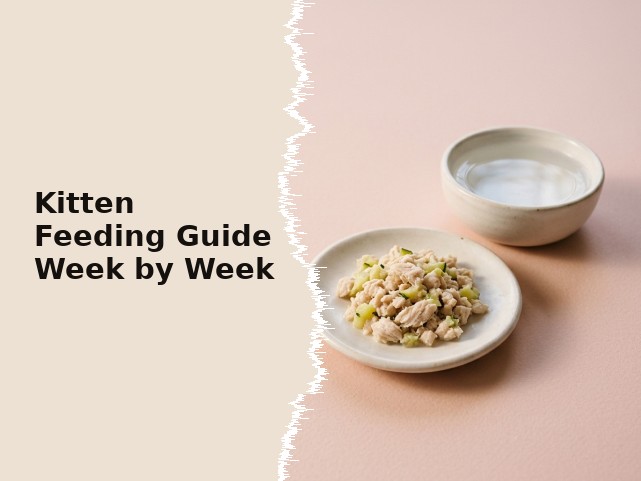
A small amount of plain boiled or gently cooked chicken — no salt, no oil, no spices, no onion or garlic (those are toxic to cats) — is gentle, highly digestible, and tempting even for a queasy cat. A little plain chicken bone broth alongside it adds moisture and encourages a reluctant cat to take something in.

This is exactly the principle Soluky fresh meals and bone broth are built on: real, single-protein, gently cooked food with no fillers or additives — the “bland diet” approach, made consistent and convenient instead of cooked from scratch each time.

How to feed through an upset

Here’s a simple way to feed through a mild upset:

  • Offer small amounts, often. A few small servings through the day are gentler than one big bowl.
  • Keep it plain and single-protein. Gently cooked chicken, or a simple single-protein fresh meal. Nothing rich, fatty, dairy, or seasoned.
  • Add moisture. Diarrhea is dehydrating — plain bone broth or the moisture in fresh food helps your cat keep fluids in.
  • Always provide fresh water.
  • Reintroduce normal food gradually once stools firm up — mix the bland food with their usual meals over 2–3 days rather than switching back all at once.

What to avoid

Some foods make an upset stomach worse — keep these away while your cat recovers (and ideally always):

  • Cow’s milk and dairy. Most adult cats are lactose intolerant — milk is a common cause of diarrhea, not a cure.
  • Fatty, fried or seasoned human food. Too rich for a settling gut.
  • Onion, garlic and chives. Toxic to cats — never include them in home-cooked food.
  • Sudden diet changes. Switching food too fast is itself a frequent cause of loose stools.

If you do feed home-cooked food, keep it simple and single-protein — and remember that long-term, a home-cooked diet needs to be properly balanced. (More on that in our guide to natural ingredients for sensitive-stomach cats.)

When to call the vet

Most mild diarrhea improves within 24–48 hours. Call your vet promptly if you see any of these:

  • Diarrhea lasting more than 2 days, or that keeps coming back
  • Blood in the stool, or black, tarry stools
  • Repeated vomiting alongside the diarrhea
  • Signs of dehydration — lethargy, sunken eyes, dry gums, skin that’s slow to spring back
  • Your cat won’t eat or drink at all, or seems painful or distressed
  • A kitten, senior, or already-unwell cat — these need vet attention sooner, not later

These conditions need veterinary diagnosis and care — when in doubt, call your vet. Supportive feeding helps a mild upset; it doesn’t replace treatment for the cause.

The simple takeaway

For a healthy cat with a mild, passing upset, the answer is reassuringly simple: rest the gut, feed small amounts of plain gently cooked chicken with a little broth for moisture, skip the dairy and rich foods, and ease back to normal slowly.

If your cat does better on gentle, single-protein food — and many sensitive cats do — Soluky makes that the everyday norm instead of an occasional rescue meal. Build your box of fresh, single-protein meals, or add a bone broth for easy moisture and tempting flavour. Subscribe and save 15% on every order.

What about kittens with diarrhea?

Kittens are not small cats when it comes to diarrhea: they dehydrate dangerously fast, sometimes within hours, and they have almost no reserves. So the rule changes. For a kitten, especially under 12 weeks, call your vet the same day rather than trying home management first.

While you arrange that visit: keep water available at all times, offer tiny portions of plain boiled chicken shredded very fine (or their usual kitten food, softened) every few hours, and never give milk, which makes diarrhea worse. Do not fast a kitten. If your kitten is lethargic, refusing food, or the diarrhea is watery or bloody, treat it as urgent.

Diarrhea with vomiting: a different situation

Diarrhea with vomiting is a different situation from diarrhea alone, because fluid is being lost from both ends and dehydration arrives twice as fast.

Let the stomach settle for two to three hours after vomiting, offering small sips of water rather than a full bowl. Then try a spoonful of the same bland food described above. Important for cats specifically: unlike dogs, cats should not go unfed for long periods, so do not withhold food beyond a few hours without asking your vet. See a vet the same day if the vomiting repeats, if there is blood in either direction, if your cat is lethargic or hiding, or if you suspect she ate something she should not have.

Nursing cats with diarrhea

A nursing cat with diarrhea needs a different approach again, because she is feeding a litter on top of herself. Her calorie and fluid needs are at the highest point of her life, so restricting her food is the wrong move.

Keep her eating: frequent small meals of bland, high-quality protein, plus extra fluids. A plain meat broth made for pets is genuinely useful here, since her milk supply depends on hydration. And involve your vet promptly rather than waiting it out: digestive upsets after birth commonly involve parasites, and treatment has to be chosen with the kittens in mind.

Gentle Meals & Broth We Recommend

Cat Beef Bone Broth – 500ml

Cat Chicken Bone Broth – 500ml

Frequently Asked Questions

Small, frequent servings of plain gently-cooked chicken (no salt, oil, spices, onion or garlic) are gentle and easy to digest. A little plain bone broth adds moisture. Reintroduce normal food gradually once stools firm up. If it lasts more than 2 days or you see blood, call your vet.

No — most adult cats are lactose intolerant, so cow’s milk and dairy commonly make diarrhea worse rather than better. Offer fresh water and plain bone broth for hydration instead.

Most mild cases improve within 24–48 hours with gentle feeding. If it lasts longer than 2 days, keeps returning, or comes with blood, vomiting, lethargy or refusal to eat or drink, contact your vet — these need veterinary care.

Plain bone broth (no onion, garlic or salt) is a gentle way to add moisture and tempt a queasy cat to take something in, which helps against the dehydration that comes with diarrhea. It supports recovery alongside a plain, easily-digestible diet — it’s not a treatment for the underlying cause.

Tiny, frequent portions of plain boiled chicken shredded very fine, or their usual kitten food softened with water, plus constant access to water and never milk. But with kittens, especially under 12 weeks, call your vet the same day: they dehydrate dangerously fast, and lethargy, refusal to eat, or watery or bloody stool makes it urgent.

Let the stomach settle for two to three hours with small sips of water, then offer a spoonful of bland food such as plain boiled chicken. Do not withhold food from a cat beyond a few hours without vet advice. See a vet the same day if vomiting repeats, there is blood, or your cat is lethargic.