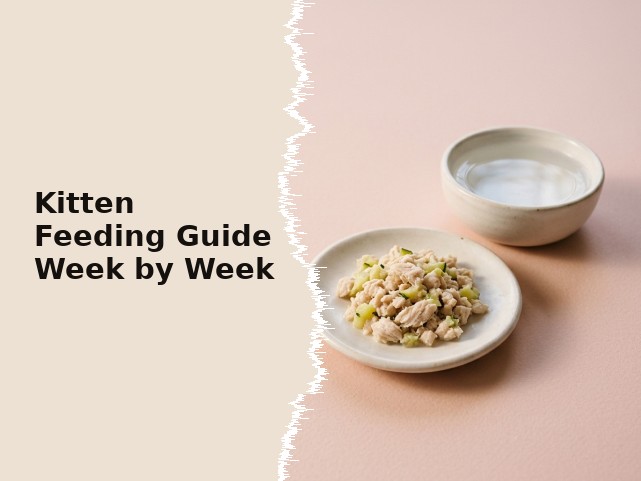
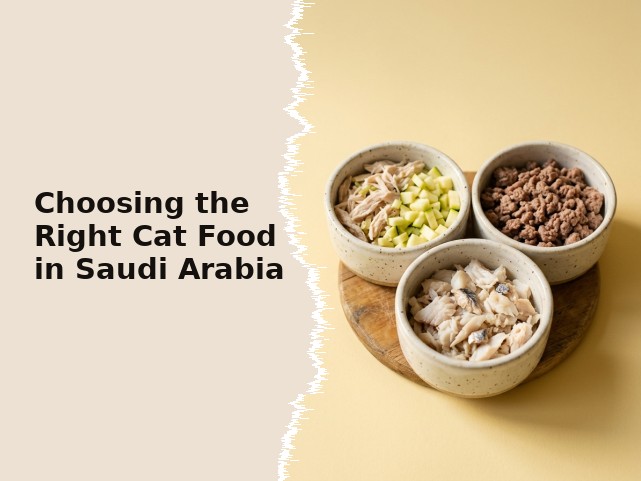
Choose Healthy, Easy to Digest Meals
Look for cat food made with clear ingredients, quality protein, and a formula designed to be gentle on digestion. Fresh cat food can be a strong option when the goal is to reduce stomach stress.
Offer Small, Frequent Meals
A large meal can be harder for some cats to tolerate. Smaller portions given more often may reduce the chance of vomiting and help the stomach handle food more comfortably.
Introduce New Food Gradually
Even high quality fresh cat food should be introduced slowly. A gradual transition gives the digestive system time to adjust and lowers the risk of vomiting after a food change.
Monitor Your Cat’s Response
Watch for changes after meals, including appetite, stool quality, vomiting frequency, and overall comfort. These details can help you decide whether the current cat food is working.
Make Sure Your Cat Drinks Enough Water
Hydration supports digestion and can help reduce constipation and stomach strain. This is especially important for cats with digestive sensitivity.
Consider Digestive Support When Needed
In some cases, probiotics or veterinarian recommended digestive supplements may help support the stomach and gut environment.
Speak to a Veterinarian if Vomiting Continues
Even the best cat food cannot fix every issue. If vomiting continues, becomes frequent, or comes with signs such as lethargy, weight loss, or poor appetite, veterinary evaluation is necessary.



 Recommended Products

 You Might Also Like