Best Food for Persian (Shirazi) Cats: A Complete Feeding Guide
  • 26 Jun, 2026
  • by Soluky Pet

Best Food for Persian (Shirazi) Cats: A Complete Feeding Guide

Persian (Shirazi) cats have special feeding needs — that famous coat, hairballs, and a flat face all shape what to feed them. Here's the complete guide: the ideal diet, how much, and how the right food fixes fussiness and shedding.

The quick answer

  • Feed high real-meat protein + moisture for the coat and hairballs
  • Soft, gently-cooked food suits the flat (brachycephalic) face
  • ~200–250 calories/day for an adult, split into 2 meals — measure, don't free-feed
  • Fresh/wet food (~70% moisture) tempts picky Persians + supports hydration
  • No fillers, colours or preservatives

Why Persian cats need special feeding

The Persian — or Shirazi — cat is the most beloved breed in Saudi homes, and for good reason: that calm temperament, the round face, and above all the long, luxurious coat. But those same qualities mean Persians have feeding needs that are a little different from the average cat. Get the food right and you’ll see it directly — in a glossier coat, fewer hairballs, a healthier weight, and a happier, more settled cat.

This guide covers exactly what to feed a Persian cat, how much, and the common feeding problems (and fixes) that come with the breed.

The ideal Persian diet

Like all cats, Persians are obligate carnivores — they’re built to run on animal protein, not grains and fillers. But the breed has three traits that shape what “good food” looks like for them:

  • That famous coat needs nutrition from the inside. A long, dense Persian coat is built from protein and healthy fats. Diets rich in real meat and omega-3 and omega-6 fatty acids support a softer, shinier, less-shedding coat — the single most visible payoff of feeding well.
  • Hairballs are a way of life. All that grooming means swallowed hair. High-quality, highly digestible food with enough moisture helps hair pass through smoothly instead of building up.
  • Flat faces make eating awkward. The Persian’s short muzzle (brachycephalic face) makes some shapes and textures hard to pick up. Soft, gently-cooked food is far easier for them to eat than hard, large kibble.

How much to feed a Persian cat

Putting that together, the ideal Persian diet is:

  • High in real animal protein — chicken, fish, lamb — as the first ingredient, not a by-product.
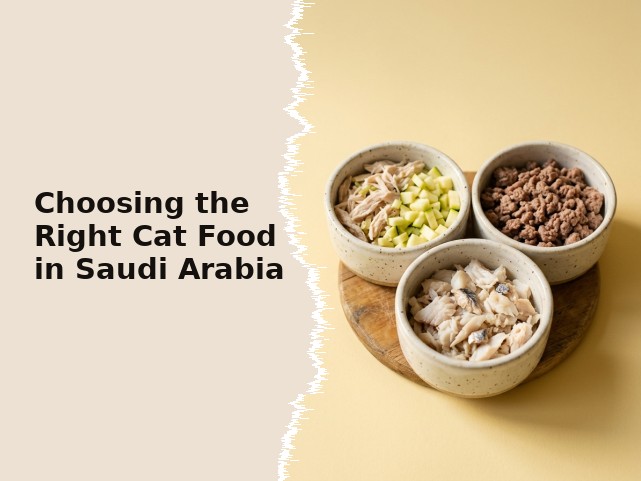
  • Rich in moisture. Persians, like most cats, don’t drink enough water. Fresh or wet food (around 70% moisture vs ~10% in dry kibble) supports hydration, kidney health and easier digestion.
  • Free of fillers, artificial colours and preservatives — these add nothing for an obligate carnivore and can trigger sensitivities.
  • Soft and easy to pick up — gentle on a flat-faced eater.

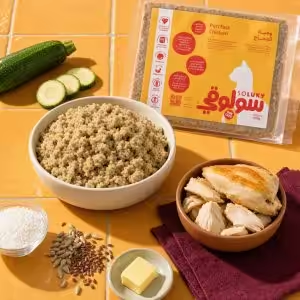
This is exactly what Soluky fresh cat meals are made of — real, single-protein meat, gently cooked, no fillers, delivered chilled. Browse our fresh cat meals to see the recipes.

Fussy eating, shedding & hairballs — the fixes

Portion depends on your cat’s weight, age and activity, but as a general guide an adult Persian (around 3.5–5.5 kg) needs roughly 200–250 calories a day, split across two meals. Kittens need more, more often; senior or less-active Persians need less.

  • Feed twice a day, at consistent times — Persians like routine.
  • Measure portions rather than free-feeding. Persians are prone to gaining weight, and extra weight makes grooming (and breathing, with that flat face) harder.
  • Always provide fresh water, and lean on moisture-rich food to top up hydration.

The easiest way to get the portion exactly right is to let us do the maths — build your box and we’ll portion your Persian’s meals to their weight.

The takeaway

Two complaints come up again and again with Persians — and both are often helped by the food:

“My Persian is a fussy eater.” Persians can be famously picky. A flat face plus a sensitive palate means dry, bland kibble often gets ignored. Fresh, gently-cooked food with real-meat aroma is far more tempting — many owners find a fussy Persian suddenly interested at mealtime. Warming food slightly to release the smell helps too.

“The shedding and hairballs are constant.” Regular grooming is essential, but diet does real work here: enough moisture and digestible protein help swallowed hair move through, and good fats reduce excess shedding at the source. A little bone broth adds moisture and tempts picky eaters at the same time.

Persians can have sensitive stomachs. If you ever see loose stools, our guide to what to feed a cat with diarrhea covers the safe, gentle approach.

Recommended Fresh Cat Meals

Cat Beef Bone Broth – 500ml

Purrfect Chicken Cat Meal – 150gm

Frequently Asked Questions

A diet high in real animal protein (chicken, fish, lamb), rich in moisture, free of fillers and artificial additives, and soft enough for the Persian’s flat face. Fresh, gently-cooked food fits all of these and supports the coat, hydration and easier digestion.

An adult Persian (about 3.5–5.5 kg) needs roughly 200–250 calories a day, split into two meals — more for kittens, less for seniors or less-active cats. Measure portions rather than free-feeding, as Persians gain weight easily. Build your box and we’ll portion to your cat’s weight.

Persians have a sensitive palate and a flat face that makes dry kibble awkward to eat, so they often refuse it. Fresh, gently-cooked food with real-meat aroma is far more tempting; warming it slightly to release the smell helps too.

Regular grooming plus the right food. Enough moisture and highly-digestible protein help swallowed hair pass through, and good fats (omega-3 and omega-6) reduce excess shedding at the source. A little bone broth adds moisture and appeals to picky eaters.