What Can Cats Eat From Home Food? The Safe List and the Never List
  • 05 Sep, 2026
  • by Soluky Pet

What Can Cats Eat From Home Food? The Safe List and the Never List

Some home foods are safe for cats in small plain portions: cooked chicken, white rice, egg, pumpkin. Others are genuinely dangerous, including onion and garlic that hide in almost every cooked dish. The safe list, the never list, the milk and tuna myths, and why home food alone is never a complete cat diet.

The quick answer

  • Safe in small plain portions: cooked chicken, white rice, cooked egg, pumpkin, carrot
  • Never: onion, garlic, chocolate, grapes, cooked bones, raw dough, xylitol
  • Most adult cats cannot digest milk: skip the saucer, offer water
  • Tuna is a treat, not a diet: unbalanced and high in mercury as a staple
  • Home food is never complete: cats need taurine and balanced minerals a kitchen cannot measure

The one rule before any list: plain or nothing

Every cat parent has done it: something is cooking, a small face appears, and you wonder “can she eat this?” Some home foods are perfectly safe for cats in small amounts. Others, including some of the most common ingredients in Saudi kitchens, are genuinely dangerous.

This guide gives you the safe list, the never list, and the two big myths (milk and tuna). One rule above all: anything you share must be plain. No salt, no onion, no garlic, no spices. That instantly rules out most cooked dishes, because onion and garlic are in almost everything we cook.

Home foods that are safe for cats

These are fine as an occasional treat or topper, always cooked and always plain:

  • Cooked chicken or turkey. Skinless, boneless, boiled or grilled with nothing added. The classic safe share.
  • Cooked white rice. A spoonful, plain. Easy on the stomach.
  • Cooked egg. Scrambled or boiled, never raw.
  • Cooked pumpkin or carrot. Soft, plain, in small cubes. Pumpkin’s gentle fibre is actually good for digestion.
  • Cooked white fish. Occasionally, deboned, plain.

Keep any of these to a small portion, and remember they count toward the day’s food. A few extra bites daily adds up fast on a 4 kg cat.

Foods you must never give a cat

These are not “better avoided”. They are dangerous for cats, even in small amounts for some:

  • Onion and garlic, in any form: raw, cooked, powdered, or inside a dish. They damage a cat’s red blood cells. This is why sharing from cooked meals is risky by default.
  • Chocolate, coffee and tea. Toxic to cats.
  • Grapes and raisins. Linked to serious harm even in small quantities.
  • Cooked bones. They splinter.
  • Raw dough. It expands and ferments inside the stomach.
  • Sweets with xylitol and sugar-free products.
  • Salty, spiced or fried food. The seasoning, not the base ingredient, is usually the problem.

If your cat eats something from this list, call your vet. Do not wait to see what happens.

The two big myths: milk and tuna

The milk myth. The saucer of milk is a movie image, not feeding advice. Most adult cats are lactose intolerant, and milk commonly causes stomach upset and diarrhea. Fresh water is what your cat actually needs.

The tuna trap. Cats love canned tuna, and as a rare treat it is fine. As a daily food it is not: it is nutritionally unbalanced for cats and carries more mercury than a small animal should regularly eat.

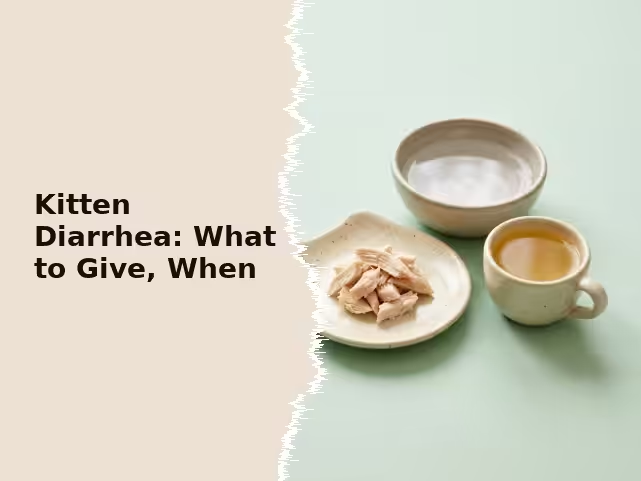
The one true comfort food. Plain boiled chicken is the home food vets actually reach for when a cat’s stomach is upset. If that is your situation, our guide on what to feed a cat with diarrhea walks through it step by step, including when to stop home-managing and call the vet.

Why home food alone is not a diet

Here is the part the safe list cannot fix: home food, even good home food, is not a complete diet for a cat. Cats have strict needs that plain chicken and rice do not cover, starting with taurine, an amino acid cats cannot make enough of on their own, plus the right calcium-phosphorus balance and a set of vitamins in the right doses. A diet of leftovers drifts away from those needs quietly, over months.

That is exactly why our meals exist: real chicken, fish and lamb, gently cooked like home food, but formulated to be complete, with the taurine and balance a cat’s body requires, portioned to your cat’s weight. See the fresh cat meals, or build your box and save 15% with a subscription.

If a home-food experiment has already upset your cat’s stomach, see what to feed a cat with diarrhea for the gentle way back.

Frequently Asked Questions

Yes, a small amount of plain cooked white rice is safe for most cats and easy on the stomach. It should stay an occasional extra, not a meal: rice has none of the animal protein and taurine a cat’s diet must be built on.

Most adult cats should not. They lose the ability to digest lactose after kittenhood, so milk commonly causes stomach upset and diarrhea. Fresh water is what your cat needs. If you want to offer a liquid treat, a plain meat broth made for pets is a better choice.

Cooked eggs, boiled or scrambled plain, are a safe protein-rich treat in small amounts. Never feed raw egg: it carries bacteria risk and a substance that interferes with biotin absorption over time.

No. It is the right short-term comfort food for an upset stomach, but as a long-term diet it lacks taurine, balanced calcium and phosphorus, and essential vitamins. Weeks of chicken and rice alone quietly create deficiencies. Use it briefly, then return to a complete diet, and see your vet if the stomach trouble persists.