Kitten Diarrhea: What to Give, What to Avoid, and When to Call the Vet
  • 16 Oct, 2026
  • by Soluky Pet

Kitten Diarrhea: What to Give, What to Avoid, and When to Call the Vet

Diarrhea in a kitten is more urgent than in an adult cat, because kittens dehydrate quickly and have little reserve. Here is what to give a kitten with diarrhea, what to avoid, the most common causes, and the clear signs that mean you should call your vet today.

The quick answer

  • Kittens under 8 weeks, or any kitten that is lethargic, vomiting or has blood in its stool: call the vet today.
  • Do not withhold food. Keep feeding kitten food in 4 to 6 small meals a day.
  • Fluids matter most: fresh water close by, and a spoon of plain bone broth in food helps.
  • Never give cow's milk or human anti-diarrhea medicine.
  • Parasites are the most common cause: ask your vet for a stool check and deworming.

First: when kitten diarrhea needs a vet today

Loose stools in an adult cat are often a one-day nuisance. In a kitten, they deserve more respect. A kitten’s body holds very little water and almost no energy reserve, so it can become dehydrated and weak far faster than a grown cat.

Call your vet the same day, without waiting to see if it settles, if any of these apply:

  • Your kitten is under 8 weeks old
  • The diarrhea has lasted more than 24 hours
  • There is blood in the stool, or it is black and tarry
  • Your kitten is also vomiting
  • It is sleepy, floppy, hiding, or refusing food or water
  • Its gums feel dry or sticky, or the skin on the neck is slow to fall back when gently lifted

If your kitten is bright, playful, eating and drinking, and the stools are only soft, the home care below is a reasonable first step. Even then, mention it to your vet, because the most common cause in kittens needs a vet to fix.

Why kittens get diarrhea

Kittens get diarrhea for a fairly short list of reasons:

  • Intestinal parasites. Roundworms, hookworms, Giardia and coccidia are very common in young kittens, especially rescues and kittens from multi-cat homes. This is the number one reason a vet will ask for a stool sample. Food alone will not clear parasites.
  • A sudden food change. Moving a kitten from its old home’s food to yours overnight is enough to upset its gut.
  • Cow’s milk. Kittens cannot digest it well. A saucer of milk is one of the most common causes of loose stools.
  • Overfeeding. A small stomach given too much at once, often after weaning.
  • Stress. A new home, travel, or a vet visit can all cause a short bout.
  • Infections. Some viral and bacterial infections start with diarrhea, which is why lethargy, vomiting or fever always mean a vet visit.

What to give a kitten with diarrhea

This is where kittens differ most from adult cats, and where well-meant advice goes wrong.

Do not withhold food from a kitten. Some advice for adult cats suggests a short fast. Kittens should not go without food: their blood sugar can drop dangerously fast. Keep feeding, just in smaller amounts.

  • Nursing or bottle-fed kittens (under about 4 weeks) should keep nursing or keep getting kitten milk replacer, and need a vet promptly if stools are loose.
  • Weaned kittens can keep eating their normal kitten food in smaller, more frequent meals, 4 to 6 a day.
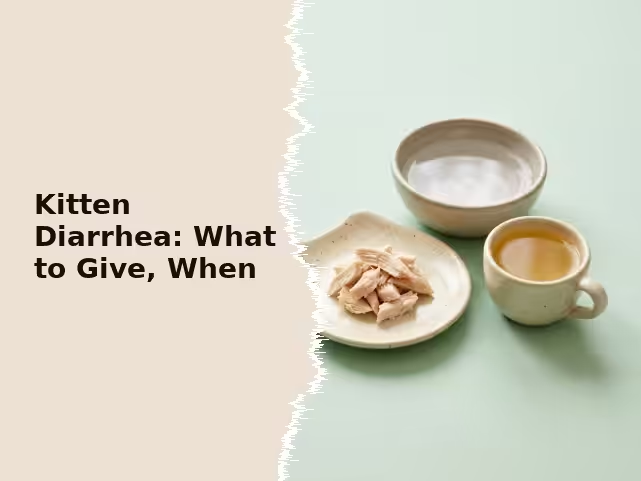
  • A short bland option. For a weaned kitten that is otherwise well, a little plain cooked chicken, with no skin, salt, oil or seasoning, can be offered for a day alongside its usual food. It is not a complete diet, so do not use it for more than a day or two.
  • Fluids matter most. Keep fresh water within easy reach in a shallow dish. A spoonful of plain, unsalted bone broth stirred into food helps a reluctant kitten take in more liquid.

Quick guide at a glance

Situation What to do
Under 8 weeks old, any diarrhea Call your vet today
Bright and eating, stools soft Keep feeding kitten food in 4 to 6 small meals, keep water close, book a stool check
Not drinking much A spoon of plain bone broth or warm water stirred into food; call the vet if it continues
Recently switched food Go back to the old food, then change over 10 to 14 days
Was given cow’s milk Stop the milk; water only
Blood, vomiting, lethargy, over 24 hours Vet visit today

What never to give

Some home remedies make things worse in a kitten:

  • Cow’s milk or dairy, which often causes the problem in the first place
  • Human anti-diarrhea medicines, several of which are toxic to cats. Never give any medicine your vet has not prescribed for your kitten
  • Long fasts, which are risky for kittens
  • Fatty, seasoned or fried scraps
  • A run of different foods one after another, which keeps the gut unsettled

Preventing it next time

Most kitten tummy trouble can be prevented with a few habits:

  • Deworm on your vet’s schedule. Kittens are usually dewormed every few weeks in the first months of life.
  • Change food slowly. Ask the breeder or shelter what your kitten was eating and start there, then switch over 10 to 14 days.
  • Feed small, regular meals sized to age and weight. Our kitten feeding guide has a grams-per-day chart from 8 weeks to 12 months.
  • Water, not milk. Once weaned, kittens only need fresh water.
  • Choose food that is complete for growth. Gently cooked, high-moisture food is easy on young stomachs and brings water with it.

For adult cats, our guide to what to feed a cat with diarrhea covers the gentle bland-diet approach in detail.

The short version

Kitten diarrhea is common and usually manageable, but the margin for waiting is small. Keep feeding in small amounts, keep fluids going, skip the milk, and involve your vet early, especially for young kittens or any sign of being unwell.

When your kitten is settled and growing, gently cooked fresh food is an easy place to land: Soluky cat meals are grain-free, 71 to 75% moisture, and our Purrfect Chicken recipe is suitable for kittens as well as adults. Introduce it gradually, and build your box to have meals portioned for your kitten’s age and weight.

Gentle Picks for Growing Kittens
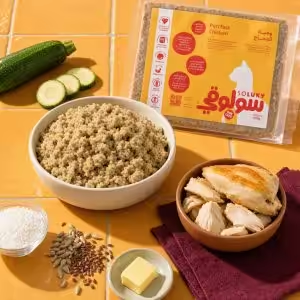
Purrfect Chicken Cat Meal – 150gm

Cat Chicken Bone Broth – 500ml

Soluky Cat Trial Box — Starter Kit

Frequently Asked Questions

Keep feeding its normal kitten food in smaller, more frequent meals, keep fresh water close, and add a spoonful of plain unsalted bone broth to food to help with fluids. A little plain cooked chicken for a day is fine for a weaned kitten that is otherwise well. Do not give medicines unless your vet prescribes them.

No. Unlike some advice for adult cats, kittens should not be fasted, because their blood sugar can drop quickly. Feed smaller meals more often instead.

For a kitten under 8 weeks, call the vet the same day. For an older kitten that is bright and eating, see the vet if it lasts more than 24 hours, or sooner if you see blood, vomiting, lethargy or refusal to eat or drink.

Yes. Kittens cannot digest cow’s milk well, and it is one of the most common causes of loose stools. Weaned kittens only need water. Very young kittens need a kitten milk replacer, not cow’s milk.

Very often. Roundworms, hookworms, Giardia and coccidia are common in young kittens, and food changes will not clear them. Your vet can check a stool sample and recommend the right deworming treatment.