5 Signs Dry Food Is Causing Problems for Your Dog
  • 22 Feb, 2026
  • by Soluky

5 Signs Dry Food Is Causing Problems for Your Dog

Feeding your dog is not just about filling a bowl; it is about giving them nutrition that keeps them healthy and energetic for years to come. However, many owners now wonder if dry food harming your dog is a real possibility due to high starch and low moisture levels. While kibble is convenient, that very convenience can sometimes hide underlying health issues.

 However, you should be aware of the signs of dry food harming your dog, as convenience can sometimes hide a problem: some dogs do not do well on formulas that are heavy in starches, low in water content, and packed with ingredients that are hard to digest.

Key points

  • Dry food is cheaper, but many formulas are very low in moisture and often heavy in starches. For some dogs, that combination can be difficult on the digestive system over time.
  • Dogs usually show warning signals when food is not suiting them, especially ongoing digestive issues such as gas and diarrhea, and chronic skin problems such as itching and inflammation.
  • Some dry foods rely heavily on plant proteins and high glycemic carbohydrates, which may contribute to low energy and noticeable weight swings in certain dogs.
  • A sudden refusal to eat is not always “just being picky”. It can be a response to an upset stomach, a change in the food’s smell or taste, or a problem with storage or spoilage.
  • Preventing long term issues starts with choosing a diet that is complete and balanced, fits your dog’s life stage, and is appropriate for your dog as an individual.

How did dry food become common?

Dry food started as a practical solution during times when fresh meat was difficult to access or too expensive for many households. Manufacturers created shelf stable kibble by processing ingredients at high heat to produce dry pieces that last for long periods and are easy to store.

From a pet parent’s perspective, it offers a few clear benefits:

  • Long shelf life and easy storage
  • Less noticeable smell at home
  • Often smaller stool volume.

Little stool does not always mean better nutrition. It can simply mean the body is processing less, or that water or moisture content is lower than ideal. What feels convenient for you may not be the best fit for your dog long term.

Why dry food may not suit dogs naturally

Dogs tend to thrive on diets built around animal protein and healthy fats. Many dry foods, however, depend on starch to hold the kibble shape. That often means higher carbohydrate levels and much less water than a dog would get from fresh food.

Dry food also loses much of its natural smell, nutritional value, and taste through processing, which is why some brands rely on flavor coatings. When the food is very dry, some dogs chew less and swallow faster, which can make digestion harder.

Over time, if the food does not match your dog’s needs, the body starts sending signals. Here are the five you should take seriously.

Sign #1: Ongoing digestive trouble

Loose stool, gas, vomiting after meals

One of the earliest signs is a change in digestion, such as:

  • Frequent loose stool or diarrhea
  • Noticeable gas and belly bloating
  • Vomiting after meals, whether occasional or repeated

This often happens when your dog is struggling to tolerate the formula. Common reasons include:

  • High starch levels that ferment in the gut and trigger gas
  • Ingredients your dog reacts to, such as a specific grain or protein source
  • Very low moisture content, which can make digestion more difficult

In some cases, problems can escalate into stomach and intestinal irritation, especially if the food is very fatty, stored poorly, or contaminated.

What to do if you notice this

  1. If vomiting or diarrhea lasts more than one to two days, talk to your vet to avoid dehydration.
  2. Ask your vet about a more sensitive digestion formula or a therapeutic plan if your dog is prone to stomach issues.
  3. If you switch food, transition slowly over 10 to 21 days to reduce digestive shock.

Sign #2: Persistent itching and skin or coat issues

Some of the clearest food related warning signs show up on the skin, including:

  • Constant scratching or frequent licking, especially paws, belly, or the base of the tail
  • Redness, dryness, or patches of thinning hair
  • Recurring ear infections or a strong unpleasant ear smell

Many dogs express food sensitivity through the skin and ears rather than the gut. Often the trigger is something in the ingredient list, such as:

  • Certain grains, gluten, corn, or soy
  • Artificial colors, preservatives, and heavy flavor enhancers

What to do

  1. Check with your vet first to rule out parasites and environmental allergies.
  2. Ask about an elimination diet approach based on a single clean protein source for a set period, or a hypoallergenic plan if needed.
  3. Choose food with simple, transparent ingredients and avoid formulas loaded with unnecessary additives.

Sign #3: Low energy and noticeable lethargy

If your dog used to bounce up for walks and play but now seems:

  • Sleepy and less engaged
  • Less interested in running or playing
  • Slow to move or reluctant to get up

Dry food can be a contributing factor. Some formulas rely on low value plant proteins and large amounts of starch. This can cause quick energy spikes followed by a crash, leaving your dog looking tired.

Low water intake can also matter. If your dog eats dry food and does not drink enough water, mild dehydration can add to fatigue and reduced stamina.

Practical steps

  1. Speak to your vet about a diet with higher quality animal protein that suits your dog’s age and activity.
  2. Keep fresh water available at all times.
  3. Consider adding balanced fresh food gradually to support energy and comfort.

Sign #4: Unexplained weight gain or weight loss

Dry food can sometimes drive weight changes that do not match how much you are feeding:

  • Some types are calorie dense and high in starch, causing weight gain even when portions do not seem large.
  • Other low quality options do not digest well, so a dog loses weight despite eating, because the body is not absorbing nutrients properly.

Long term weight issues raise the risk of joint pain, heart strain, and metabolic problems.

How to choose food that supports a healthy weight

  1. Match the food to life stage. Puppies need growth focused nutrition, while adults and senior dogs need different balance.
  2. Ask your vet or a qualified pet nutrition professional to calculate daily calorie needs and adjust portions properly.
  3. Pair food changes with consistent movement and play.

Sign #5: Appetite loss or refusing food

When your dog walks away from the bowl

Dogs love routine. If your dog suddenly stops getting excited about their kibble, sniffs it, then leaves it, do not brush it off.

Common causes include:

  • Recipe, which happens more than people realize
  • Your dog feels discomfort after eating, such as nausea, cramps, or bloating, so they begin to avoid the food
  • The food spoiled from heat or humidity, or became contaminated

What you should do

  1. Do not assume it is a temporary mood, especially if appetite loss comes with vomiting, diarrhea, or fatigue.
  2. Talk to your vet. Appetite loss can signal a digestive issue or another health problem.
  3. Switching diets is recommended, move gradually to a better healthy option with appropriate moisture and quality.

The long term risks that can build quietly

According to a research published at National Library of Medicine, When a dog relies for years on highly processed, low moisture food that is heavy in starch and additives,the risk of chronic issues may increase, including:

  • Persistent gut inflammation and ongoing food sensitivity;
  • Higher risk of obesity and related metabolic problems;
  • Ongoing strain on kidneys and the urinary system if water intake is not enough;

Not every dog will react the same way, but the key is this: if your dog is showing signs, it is worth taking diet seriously instead of treating symptoms alone.

How to protect your dog and choose better options

Many pet parents are moving toward higher quality feeding plans, whether that means carefully chosen therapeutic diets or balanced fresh food.

Here is a simple, practical approach:

  1. Review your current dry food. Read the ingredient list and look for a clear, named animal protein source. Be cautious when grains and fillers appear at the top of the list.
  2. Introduce improvements gradually. Add a portion of nutritionally balanced fresh food and track changes in digestion, energy, and skin.
  3. Choose trusted products. Focus on transparent ingredients and quality standards, especially if your dog has allergies or ongoing digestive issues.

If you are ready to explore fresh food, Soluky offers fresh meals designed to support digestion, immunity, and overall wellbeing. Transition slowly and involve your vet if your dog has chronic symptoms.

Every meal you serve your dog is a long term decision. Dry food may be cheaper and easier, but it is not always the best fit, especially when warning signs start showing up in digestion, skin, weight, and energy.

If you notice one or more of these signs, do not switch randomly and do not delay a vet check. Ask questions, assess what is really happening, and move toward food that suits your dog’s body and needs. Spending a little more on better nutrition now can save far more later in vet bills, and it gives your dog a healthier life and a happier journey with your family.

Recommended Products

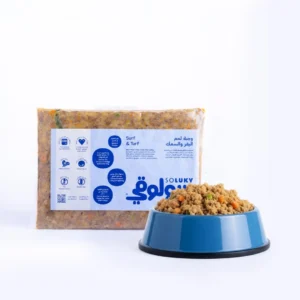
Surf and Turf Dog Meal – 500gm

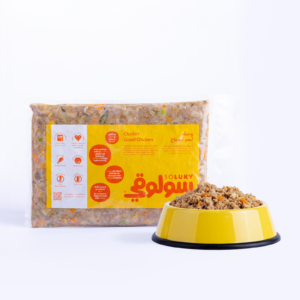
Cluckin’ Good Chicken – Subscription

Frequently Asked Questions

It depends on your dog’s condition, but many pet parents notice better digestion and energy within two to three weeks when the transition is gradual. Weight and overall resilience often take four to six weeks. If symptoms are chronic, follow up with your vet to ensure the change is safe and appropriate.

Some dogs refuse kibble because it feels heavy and can trigger discomfort. A gradual move toward high quality fresh meals with strong animal protein, such as Soluky, is often easier on digestion and can help appetite return. If refusal is sudden and continues, consult your vet to rule out medical causes.

High starch formulas can ferment in the gut and increase gas. Severe bloating can be dangerous, especially in large breeds. If bloating persists or your dog seems in pain, contact your vet quickly. Consider switching to a healthy diet plan.

Fresh food can be a strong option because it contains appropriate water content and can be easier for some dogs to digest. If you want to switch, start by mixing 25 to 50 percent fresh meals with kibble, then increase slowly until you reach a plan that suits your dog.