Feeding your dog according to its specific life stage and individual needs is essential to support its health and maximise its lifespan.
Puppies
Life Stage Duration Feeding Period: Small and medium breeds are typically considered puppies until 12 months, while large and giant breeds may require puppy diets up to 12–18 months.
Feeding Amount: A puppy weighing 5 to 10 kilograms may require approximately 250 to 400 grams of food per day, divided into 3 to 4 meals. Puppies have higher energy needs than adult dogs due to rapid growth and development. The feeding amount varies based on breed size, age, and growth stage.
Calories: Puppies require more calories per kilogram of body weight compared to adults due to rapid growth and higher activity levels.
Nutritional Focus: Diets should be rich in high-quality protein, calcium, and essential fatty acids to support growth and development. Fresh, natural food—not processed—is key for proper nutrient absorption.
Feeding Tips: Feed 3 to 4 smaller meals a day to help puppies manage energy levels and digestion. Transition gradually to adult food once growth levels off, based on your vet’s guidance.
Adult Dogs
Life Stage Duration: Most dogs are considered adults from 12 months up to 6 to 8 years, depending on breed and size.
Calories: Adult dogs have more stable energy requirements. Needs vary significantly based on activity level, breed, and health.
Nutritional Focus: Balanced diets that maintain ideal body weight and support daily energy needs are important. Prioritize fresh, natural food over processed options for better long-term health.
Feeding Tips: Stick to a consistent feeding schedule, and monitor weight regularly. Avoid overfeeding, especially in less active dogs.
Senior Dogs
Life Stage Duration Transition: Small breeds are considered seniors at around 11 to 12 years, while large breeds transition earlier, around 6 to 8 years.
Calories: Senior dogs typically require 20% to 25% fewer calories than adult dogs to prevent obesity due to reduced activity and metabolic rate.
Feeding Amount: For example, a senior dog weighing 24 to 45 kilograms may require approximately 360 to 640 grams of food per day, depending on their exact weight, activity level, and health condition. Since senior dogs have a slower metabolism and reduced energy needs, it’s important to monitor body condition closely and adjust portions accordingly.
Nutritional Focus: The best dog food senior dogs is typically lower in calories, fat, sodium, and phosphorus, while being higher in fiber and enriched with joint-supporting nutrients like glucosamine and omega-3 fatty acids. Fresh, natural food—rather than processed—helps manage the effects of aging and supports long-term health.
Feeding Tips: Senior dogs may benefit from smaller, more frequent meals. Monitor for changes in appetite, mobility, or energy, and adjust the diet accordingly with your vet’s input.



 Recommended Products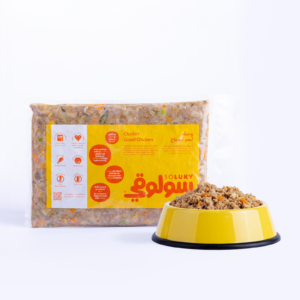
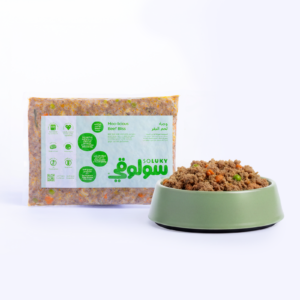

 You Might Also Like