

Preservatives can be useful for preventing spoilage during shipping and storage, but some of the most controversial compounds have been associated with health concerns in animal studies and regulatory reviews.
- 22 Feb, 2026
- by Soluky
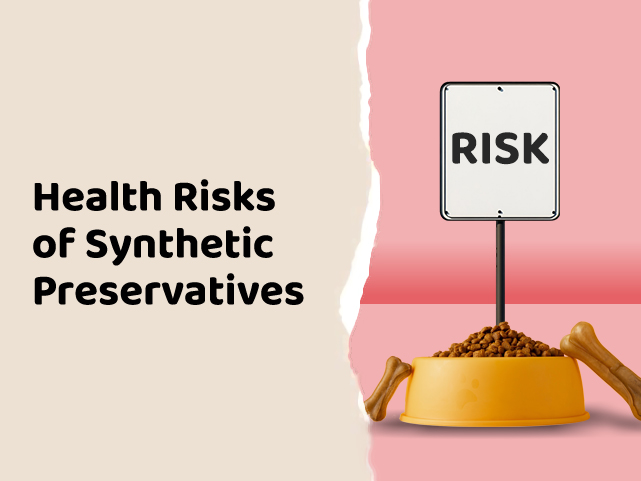
Many commercial cat and dog foods contain synthetic preservatives such as BHA and BHT. These chemicals are used to keep fats from going rancid and to extend shelf life, but it is worth understanding what long term, daily exposure may mean for your pet.
Preservatives can be useful for preventing spoilage during shipping and storage, but some of the most controversial compounds have been associated with health concerns in animal studies and regulatory reviews.
Pet food companies add preservatives and other stabilizers to keep food safe during transport and storage. These compounds help prevent bacterial growth, reduce oxidation of fats, and keep the product looking and smelling consistent.
Preservatives are not one single category. Some are vitamin based antioxidants, while others are synthetic chemicals designed for strong stability and long shelf life. The challenge is balancing shelf stability with long term health, especially when a pet eats the same product every day for months or years.
Synthetic preservatives are manufactured chemicals often used because they are cheap, highly stable, and effective at slowing fat oxidation. Common examples include BHA, BHT, and ethoxyquin.
The concern is not that a single meal causes harm. The concern is repeated exposure over time, especially for sensitive pets or for young animals whose bodies are still developing.
Natural preservatives typically come from vitamin systems or plant extracts and are used as antioxidants to slow spoilage. Common examples include mixed tocopherols (vitamin E), vitamin C, and rosemary extract.
These options generally do not provide the same extreme shelf stability as synthetic preservatives, but they are widely used in higher quality foods that prioritize cleaner ingredient profiles.
Beyond preservatives, some commercial foods also contain additives used for color, texture, or flavor enhancement. Some serve no nutritional purpose and exist mainly for marketing or product consistency.
BHA and BHT are widely used to stabilize fats and extend shelf life. BHA has been listed by the US National Toxicology Program as reasonably anticipated to be a human carcinogen based on animal evidence.
That classification is about human hazard labeling based on animal data, not a direct claim that it causes cancer in pets. Still, many pet nutrition professionals recommend avoiding it when cleaner options are available.
Recent reporting also notes the FDA is reassessing BHA in the human food context, reflecting ongoing scrutiny around the compound.
Ethoxyquin has a long history as an antioxidant preservative in animal feed. In the European Union, its authorization as a feed additive was suspended in 2017 while additional data were requested, and EFSA later published further reassessment work.
Regulatory status varies by region, and it can be especially relevant in fish based ingredients.
Two important realities about pet food labels:
This is why brand trust and ingredient transparency matter as much as the ingredient list itself.
Propylene glycol is used as a humectant to keep some treats soft. The FDA has determined it has not been shown to be safe for use in or on cat food and prohibited that use unless covered by specific regulatory approvals.
If you own a cat, this is a clear example of why species differences matter.
Ingredients like corn syrup are sometimes used as low cost palatability boosters even though pets do not need added sugars. Regular intake can contribute to weight and dental issues, without meaningful nutritional upside.
This is where you should be intellectually strict: evidence in pets is not always as extensive as people assume, and dose matters. But there are reasonable concerns worth acting on, especially when safer options exist.
Toxicology discussions around certain synthetic preservatives often focus on potential links to cancer risk signals in animal studies, plus possible liver and kidney stress over time. The NTP hazard listing for BHA is one of the clearest, widely cited examples.
Some pets develop chronic itching, inflamed ears, hot spots, or digestive upset that improves when the diet becomes simpler and cleaner. Preservatives may not be the only cause, but reducing additive load often helps clarify what your pet actually tolerates.
Puppies, kittens, and pregnant or nursing females are typically more sensitive because their bodies and organs are developing. If you are choosing food for a growing animal, minimizing controversial additives is a reasonable precaution.
Look for:
Be cautious when you see:
Many higher quality foods use antioxidant systems such as:
These reduce oxidation without leaning on the more controversial synthetic preservatives.
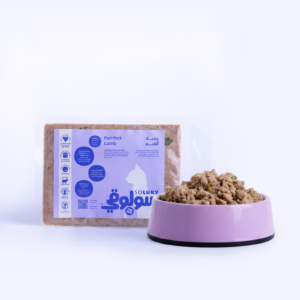
Soluky positions its fresh meals around clean ingredients and natural preservation approaches, which can be appealing if you want to reduce additive exposure and support digestion at the same time.
Preservatives exist for a reason, but not all preservatives have the same risk profile. If you want to protect your pet’s long term health, it makes sense to reduce repeated exposure to controversial synthetic preservatives when cleaner options are available.
Start by reading labels carefully, avoiding the highest concern ingredients, and moving toward diets with simpler ingredient lists and natural antioxidant preservation. If you want a higher moisture, lower additive approach, fresh food options such as Soluky can be a strong step in that direction.
 Recommended Products
 Frequently Asked Questions
 Preservatives are used to prevent spoilage, but some synthetic preservatives have raised concerns in toxicology discussions and regulatory reviews, particularly around long term exposure. Choosing foods preserved with natural antioxidant systems can be a precautionary approach.
Read the ingredient list and avoid products that explicitly list BHA or BHT. Look for foods preserved with mixed tocopherols, vitamin C, or rosemary extract. Choosing brands that clearly state no synthetic preservatives also helps.
The US National Toxicology Program lists BHA as reasonably anticipated to be a human carcinogen based on sufficient evidence in experimental animals. That is a hazard classification based on animal data, not a direct diagnosis for pets, but it is a reasonable reason to avoid it when alternatives exist.
Young pets are generally more sensitive because organs are developing. Even if an adult appears fine short term, long term exposure is still something many owners prefer to minimize through cleaner diets.
 You Might Also Like