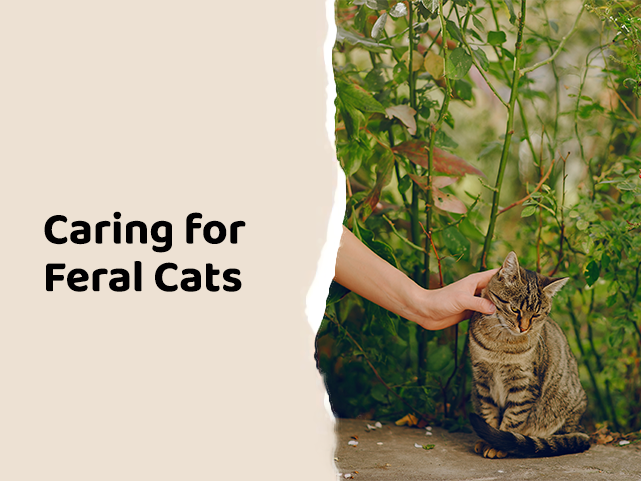
Although feeding a feral cat is an act of kindness, it is important to keep in mind that if feeding is done improperly, it can lead to many problems, such as:
- Overpopulation due to uncontrolled breeding
- Waste accumulation which will attract pests
- Disputes in the neighborhoods over cleanliness and noise
To avoid these issues, structured feeding is necessary. A well-organized feeding program will ensure that the feral cats in your neighborhood receive the food they need and won’t cause any disturbances or hygiene issues. One way of doing this is by partnering with local animal welfare groups, which play an important role in setting up safe feeding stations for stray cats, which would help in feral cat population control in the Middle East.
Animal welfare organizations, such as the Saudi Animal Welfare Society, work to protect stray animals and implement humane solutions. These groups help coordinate feeding efforts, educate the public on responsible care, and support Trap-Neuter-Return (TNR) programs to sustainably manage the feral cat population.
If you collaborate with such organizations, you can access many resources, such as veterinary care and sterilization services and proper feeding guidelines. This structured feeding approach is beneficial for cats and your community’s health and hygiene.



 Recommended Products


 You Might Also Like