1. Lower quality ingredients and unnecessary additives
Many budget dry foods use cheaper fillers and additives to reduce cost and extend shelf life. Some formulas depend on inexpensive grains and plant proteins, plus flavor coatings and preservatives to keep the product stable and appealing.
For sensitive dogs, this can mean more itching, recurring ear issues, or digestive upset.
2. High temperature processing and nutrient loss
Dry food is typically cooked under intense heat. Heat can reduce the natural value of some vitamins, enzymes, and amino acids. Manufacturers often add synthetic vitamins and flavor enhancers afterward to meet nutrient requirements.
3. Heavy reliance on starch
Most kibble requires starch to hold its shape. This often results in higher carbohydrate levels than many dogs do best with, especially inactive dogs or dogs prone to weight gain.
In some dogs, high starch intake can contribute to weight gain, unstable energy, and metabolic stress over time.
4. Low moisture and dehydration risk
Kibble contains very little water content. Some dogs compensate by drinking more, but many do not drink enough to fully balance a dry diet.
Long term, consistently low moisture intake may contribute to dehydration signs and can increase workload on the urinary system, especially in dogs already prone to urinary or kidney issues.
5. Storage and contamination risk
Because dry food is stored for long periods, problems can happen with improper storage, heat, humidity, or damaged packaging. In the real world, that can increase the risk of spoilage, rancid fats, insect contamination, or mold.
This can show up as diarrhea, vomiting, itchiness, or recurring ear inflammation.
6. Fat oxidation after opening
Once a bag is opened, fats are exposed to oxygen, light, and heat. Over time, fats can go rancid, especially if storage is not ideal. This can reduce nutritional quality and may worsen skin and coat issues for some dogs.
7. Gas and bloating in some cases
Some vets note that certain dogs, particularly large breeds, may experience more gas and bloating on dry food depending on the formula and feeding habits. Severe bloating can be an emergency.
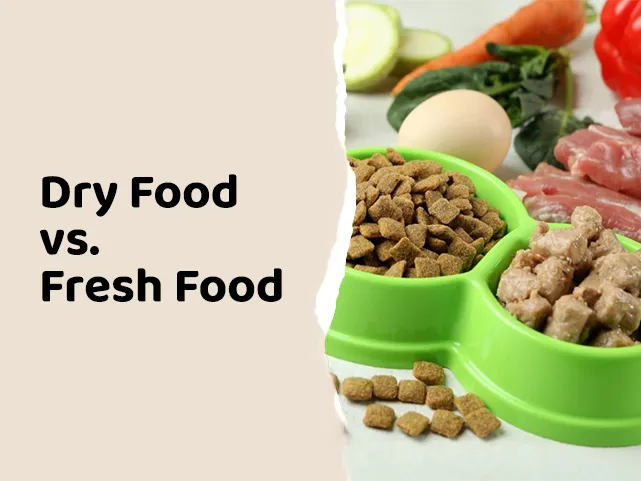
If your dog is prone to bloating, it is worth considering other fresh food options.



 Recommended Products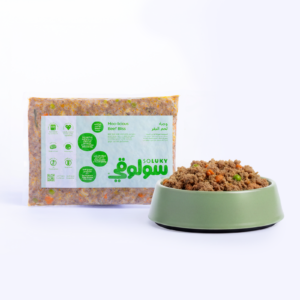
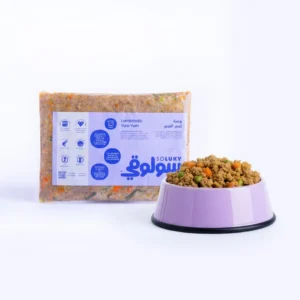

 You Might Also Like