Dry Food or Fresh Food Which Is Better for Your Dog’s Health
  • 17 Feb, 2026
  • by Soluky Pet

Dry Food or Fresh Food Which Is Better for Your Dog’s Health

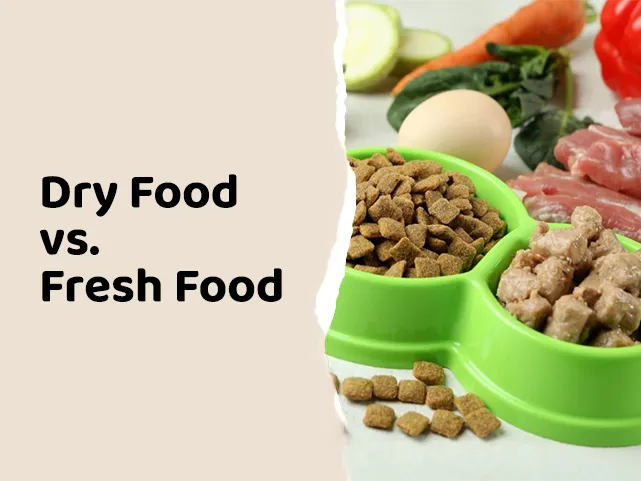
Fresh food and dry food are the two most common ways people feed dogs, but they are not the same in how they are made, stored, or how they affect the body.

Fresh dog food is made from real ingredients and cooked gently to preserve nutrients. Dry food is manufactured through high heat processing until it becomes shelf stable kibble that can sit for a long time.

So which is better?

For most dogs, fresh food is the better option for health and vitality, especially when it is balanced. Dry food can be cheaper, but for some dogs it may contribute to long term issues such as digestive upset, weaker skin and coat quality, or strain from consistently low moisture intake.

This article explains the differences in a clear, practical way, and helps you decide what fits your dog best.

Key points

  • Fresh dog food typically uses more natural ingredients with suitable water content, which supports digestion and hydration.
  • Many dry foods rely heavily on starches and require intense processing, which can reduce natural nutrient quality and increase reliance on added supplements.
  • Low moisture diets can be a concern if a dog does not drink enough water, which may place extra workload on the kidneys over time.
  • Fresh meals often lead to noticeable improvements in stool quality, coat shine, muscle condition, and stable energy.
  • If you currently rely on dry food, you can reduce dependence by transitioning gradually to complete fresh meals for better long term support.

The real difference between fresh food and dry food

What is fresh dog food

Fresh food is usually made from meat, vegetables, and sometimes fruit and whole grains, prepared in a way that keeps nutrients intact and the meal healthy. It’s gently cooked or prepared to keep the nutritional value.

Fresh meals also contain much more water content than kibble. That supports hydration and can be especially helpful for senior dogs or dogs with sensitive digestion.

Another advantage is palatability. Most dogs respond better to the smell and taste of real food, which can help when appetite is inconsistent or a dog is picky.

What is dry food?

Dry food is the most widespread commercial option. Manufacturers mix ingredients into a dough, then cook it at very high heat and pressure until it becomes dry kibble that stores for long periods.

It is cheaper, easy to transport, and does not require refrigeration. But the trade off is that heavy processing and ingredient choices can affect how well it supports health long term.

Why dry food can be risky for some dogs?

1. Lower quality ingredients and unnecessary additives

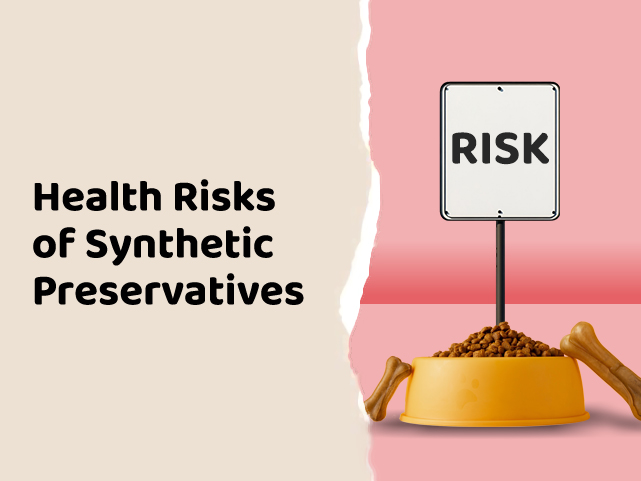
Many budget dry foods use cheaper fillers and additives to reduce cost and extend shelf life. Some formulas depend on inexpensive grains and plant proteins, plus flavor coatings and preservatives to keep the product stable and appealing.

For sensitive dogs, this can mean more itching, recurring ear issues, or digestive upset.

2. High temperature processing and nutrient loss

Dry food is typically cooked under intense heat. Heat can reduce the natural value of some vitamins, enzymes, and amino acids. Manufacturers often add synthetic vitamins and flavor enhancers afterward to meet nutrient requirements.

3. Heavy reliance on starch

Most kibble requires starch to hold its shape. This often results in higher carbohydrate levels than many dogs do best with, especially inactive dogs or dogs prone to weight gain.

In some dogs, high starch intake can contribute to weight gain, unstable energy, and metabolic stress over time.

4. Low moisture and dehydration risk

Kibble contains very little water content. Some dogs compensate by drinking more, but many do not drink enough to fully balance a dry diet.

Long term, consistently low moisture intake may contribute to dehydration signs and can increase workload on the urinary system, especially in dogs already prone to urinary or kidney issues.

5. Storage and contamination risk

Because dry food is stored for long periods, problems can happen with improper storage, heat, humidity, or damaged packaging. In the real world, that can increase the risk of spoilage, rancid fats, insect contamination, or mold.

This can show up as diarrhea, vomiting, itchiness, or recurring ear inflammation.

6. Fat oxidation after opening

Once a bag is opened, fats are exposed to oxygen, light, and heat. Over time, fats can go rancid, especially if storage is not ideal. This can reduce nutritional quality and may worsen skin and coat issues for some dogs.

7. Gas and bloating in some cases

Some vets note that certain dogs, particularly large breeds, may experience more gas and bloating on dry food depending on the formula and feeding habits. Severe bloating can be an emergency.

If your dog is prone to bloating, it is worth considering other fresh food options.

What should dogs eat instead of relying on dry food?

An ideal diet for dogs focuses on real nutrition: strong animal protein, healthy fats, suitable moisture, and a balanced mix of vitamins and minerals.

Fresh meals can be closer to what a dog’s body handles well, when they are properly formulated and portioned. The goal is to choose a diet that supports digestion, muscle, immune function, and daily energy without pushing the body with unnecessary starch and low water content.

Benefits you may notice with balanced fresh food

When a dog moves from a heavily processed diet to a balanced fresh diet, many pet parents notice changes such as:

  • Leaner body condition and stronger muscle tone, with lower risk of unhealthy weight gain
  • Healthier skin, shinier coat, and less visible shedding
  • Better breath and cleaner teeth support when paired with proper dental care
  • Steady energy across the day without the crash some dogs get from high starch diets
  • Smaller, less smelly stools, often a sign of better digestion and nutrient use

Results vary by dog, but these are common patterns when the diet is truly balanced and the transition is done correctly.

Soluky fresh meals in Saudi Arabia

Soluky offers fresh meals made with proteins such as chicken, beef, and fish, combined with nutritious ingredients like carrots and peas, prepared without preservatives or artificial additives.

A key advantage is customization. Meals can be tailored based on your dog’s age, weight, and activity level, with chilled weekly delivery to keep freshness consistent. Use Soluky’s Meal Planner to get a personalized meal plan for your pet.


So which is better for your dog?

A high quality fresh diet that is complete and balanced is the best foundation for long term health, especially in hot climates where hydration matters.

Your awareness as a pet parent is the first line of defense. Watch your dog’s digestion, energy, skin, coat, weight, and appetite. 

The difference between dry food and fresh food is not just how it looks in a bowl. It is a major difference in ingredient quality, processing, water content, and long term impact.

Balanced fresh meals provide real protein, healthy fats, and natural moisture, which supports digestion, hydration, and steady daily vitality. Dry food may be easier and cheaper, but it can carry more risk when used as the main diet for years, especially if the formula is highly processed or starch heavy.

If you want a longer, healthier life for your dog with consistent energy and fewer diet related issues, make fresh food your primary choice and keep dry food as a secondary option.

Recommended Products

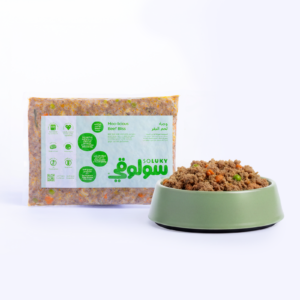
Moo-licious Beef Bliss Dog Meal – 500gm

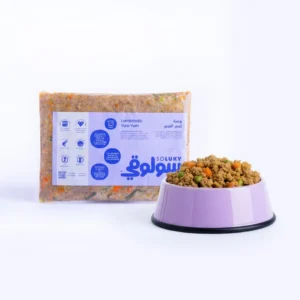
Lambtastic Yum-Yum Dog Meal – 500gm

Frequently Asked Questions

If you notice low energy, reduced appetite, recurring digestive issues, persistent itching, frequent ear problems, or sudden weight changes, it may be time to reassess your dog’s diet and discuss options with your vet.

A complete and balanced fresh diet can support immunity, digestion, and healthy weight management, and it may reduce the likelihood of long term issues tied to poor quality diets. Always choose evidence based nutrition and involve your vet if your dog has any medical condition.

Yes. Some owners follow a mixed approach by serving fresh meals alongside dry food, or adding a portion of fresh food to improve overall diet quality. The key is to choose a good dry formula and transition gradually to avoid digestive upset.

Mix a small portion of fresh food into the current diet, then increase the fresh portion over 21 days while monitoring stool quality, energy, and skin and coat changes. If your dog has chronic issues, consult your vet for a tailored plan.