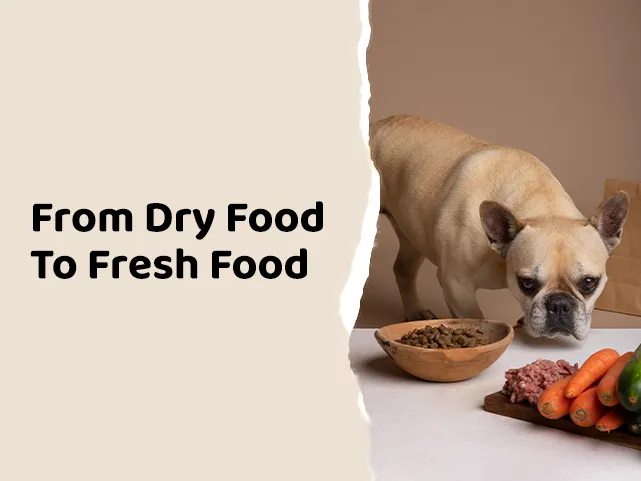
How Can You Safely Switch Your Dog’s Diet from Dry Food to Fresh Food?
  • 03 Feb, 2026
  • by Soluky

How Can You Safely Switch Your Dog’s Diet from Dry Food to Fresh Food?

Choosing the right diet for your dog can be difficult, especially with so much information out there about what they should and shouldn't eat. For reasons such as affordability and ease of storage, some people may opt in for dry food as an alternative. However, this may not be the best option to rely on. Due to its low moisture content and the fact that it often contains artificial ingredients and carbohydrate-rich substances, its disadvantages outweigh the convenience of feeding it to your loyal pet.

Although there are dry food formulations with better ingredients, fresh food still tops the list thanks to its many benefits—from containing more natural enzymes for gut health and helping your pet stay fit, to producing firmer, less odorous stools. We’re here to provide you with science-backed research to make the transition easier and, more importantly, remove the confusion so you can feed your pet with confidence. We’ll walk you through this comprehensive guide on how to safely and effectively transition your dog’s diet from dry food to Soluky fresh dog food, while ensuring their stomach comfort and overall health.


Key Points:

  • Dry food contains high carbohydrates and loses vitamins due to heat treatment, while fresh dog food retains 70% natural moisture and high-quality animal protein.
  • Natural dog food contributes to extending a dog's life by an average of 32 months, with noticeable improvements in digestion, coat shine, and cognitive function thanks to antioxidants.
  • It is recommended to follow a gradual four-week plan (increasing by 25% weekly) to allow the digestive system to adapt to fresh dog meals without disruption.
  • Soluky is the ideal solution in Saudi Arabia to provide balanced, fresh dog meals that support your dog's health with delivery covering Jeddah, Al-Khobar, and all cities in Saudi.

Understanding the difference between dry dog food and fresh dog food

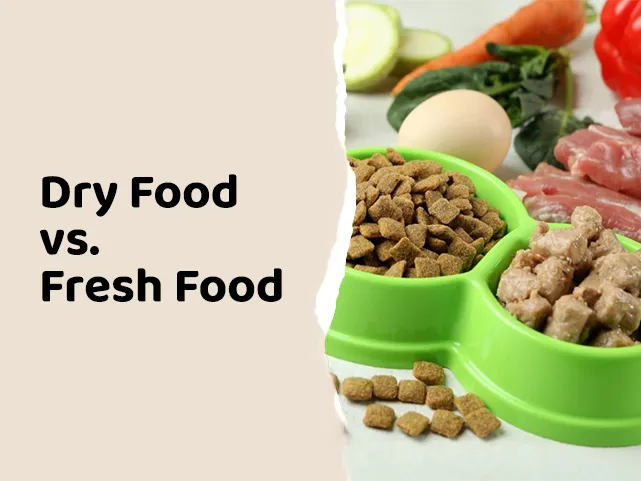
Dry food is a popular choice for many dog owners because it is easy to store and relatively inexpensive. However, this option may not be ideal when we take a closer look at your dog’s real needs. Dry food undergoes intense heat treatment that strips it of much of its natural nutritional value, and it typically has very low moisture content and high amounts of carbohydrates and fillers.

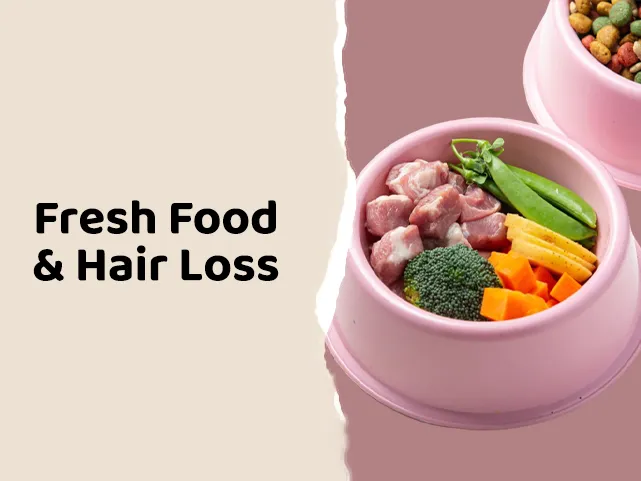
Fresh dog food from Soluky consists of whole, natural ingredients that are gently cooked over low heat to preserve their nutritional value. This type of food is very similar to what dogs would eat in the wild, relying primarily on real animal proteins and healthy fats, with the addition of vegetables and beneficial natural ingredients.


The importance of a biologically appropriate diet for dogs

A biologically appropriate diet refers to a diet in which the main source of nutrition for the animal consists of fresh, unprocessed whole foods that exceed its minimum nutritional requirements, while at the same time being consistent with the macronutrient composition of its original diet. In simpler terms, these diets largely mimic what animals would naturally consume.

Scientific studies have shown that about 50% of a dog’s daily calories should come from high-quality protein sources, while the other half should come from healthy, unprocessed fats. In addition, dogs benefit greatly from antioxidant-rich vegetables and fresh fruits, which provide nutrients and fiber that support digestive health and beneficial microorganisms in the gut.

It is interesting to note that no dog is born with a natural desire to eat those dry, processed kibbles. Your dog’s teeth are sharp and specially designed to tear meat and crush bones, not to chew grains. This reflects the fundamental difference between what a dog eats in nature and what we put in its bowl.

طعام كلاب طازج في السعودية بمكونات طبيعية ومعايير AAFCO من سولوقي

The disadvantage of dry food and its effect on your dog's health

Despite the convenience of dry food, its disadvantages far outweigh its advantages. Most commercial dry dog foods contain starchy plant ingredients such as peas, oats, and legumes, which are not compatible with a dog’s natural needs.

Dry food is processed through a process called extrusion, in which a mixture of raw ingredients is pushed through a mold under very high pressure and intense heat. Although this method offers certain advantages in terms of processing and preservation, scientific studies have shown that it leads to the destruction of proteins and changes in their original structure, as well as a significant reduction in essential amino acids, vitamins, and antioxidants.

This is why dry foods have such long ingredient lists—manufacturers are forced to add artificial nutrients to compensate for what was lost during processing. These artificial additives may not be as effective as natural ingredients, and your dog’s body may not be able to absorb them easily.

In addition, the low moisture content in dry food negatively affects your dog’s health. Dogs that eat dry food may not drink enough water, leading to kidney and urinary tract problems in the long term.


The proven benefits of fresh food

Increased life expectancy and delayed chronic diseases

Scientific research has shown exciting results regarding the effect of fresh food on the longevity of dogs. Dogs fed fresh, home-cooked food live approximately 32 months longer than their counterparts fed dry, processed food. This difference reflects the significant impact of proper nutrition on quality of life.

Research has also shown that reducing the consumption of dry, processed food by just 25% had a noticeable effect on the average lifespan of dogs and reduced the incidence of chronic diseases. This means that you don’t need to completely replace your dog’s food to reap the benefits—simply adding a portion of fresh food to your dog’s current diet is enough to see positive health differences.

Improvement in fur and skin quality

Your dog’s fur isn’t just about looks—it’s a true indicator of their overall health. A thick, shiny fur indicates balanced nutrition, while dry, brittle fur may point to deeper health issues such as nutritional deficiencies or thyroid problems.

Fresh food, especially that containing high-quality proteins and essential fatty acids such as omega-3 and omega-6, greatly improves the health of your dog’s skin and coat.

Better support for cognitive function and mental activity

A diet based on fresh, natural foods can promote your dog’s brain health. A study published in the Journal of Veterinary Medicine in 2015 found that older dogs with cognitive impairment who were fed a diet rich in fresh protein with added antioxidants from fresh foods such as maitake mushrooms, turmeric, and papaya showed higher levels of brain-derived neurotrophic factors. These factors may help slow cognitive decline in older dogs.

In this study, 36 dogs were divided into four groups, each fed a different diet for six months. The researchers measured the levels of oxidative damage and antioxidants in their blood, and found that the antioxidant-rich diet significantly reduced oxidative damage and increased levels of brain-derived neurotrophic factor, which may represent a valuable strategy for combating age-related cognitive decline in older dogs.

This concept is similar to how a diet rich in antioxidants, such as fresh, colorful fruits and vegetables, helps prevent cognitive decline in humans. The good news is that these benefits are not limited to older dogs; even young puppies can benefit from a fresh, healthy diet, as it supports their learning and alertness.

Safe steps for transitioning from dry food to fresh food with Soluky

Transitioning from dry food to fresh dog food is super easy!
Most dogs can transition from dry food to gently cooked or raw food gradually as their stomachs get used to the new experience. Cats, known for being picky eaters, are a little trickier. A longer, more gradual transition period is recommended for cats. 

Week 1: 25% fresh food and 75% dry food

Start gently by adding 25% fresh food to your dog’s meal, while maintaining 75% of the usual dry food. This allows your dog’s digestive system to gradually get used to the new ingredients. Monitor your dog during this period—if you notice normal stools and no signs of upset, you can continue.

Week 2: 50% fresh food and 50% dry food

After a week, reduce the amount of dry food by half and increase the amount of fresh food to 50%. Continue with the same observations – check your dog’s stool and ask yourself: Does it seem firmer? Are energy levels rising?

Week 3: 75% fresh food and 25% dry food

Continue to gradually increase until you reach 75% fresh food and 25% dry food. At this point, you should start to notice real improvements in your dog’s health.

Week 4: Full transition to fresh food

After four weeks, you can transition your dog completely to fresh dog food. Some dogs may need a longer transition period—that’s okay. Listen to your dog’s body.

Choosing the best fresh food options available

When choosing fresh dog food for your dog, pay attention to the following criteria:


Check the meat content and source

Meat should be the primary and main source of protein in the food. Avoid products that start their list with grains or vegetables. Look for terms such as “chicken” or ‘beef’ rather than “chicken meal” or “chicken by-products” – these terms refer to low-quality parts that may contain feathers or unwanted intestinal contents.

It is very important to know the source of the meat. Reputable companies disclose their sources and ensure that the ingredients are fit for human consumption. In Saudi Arabia, there are good local options such as Soluky, which offers gently cooked food made with fresh, reliable ingredients.

Ensure it is complete and balanced according to AAFCO standards

A good indicator of how beneficial fresh food is to your pet’s overall health is whether it meets the guidelines of the American Association of Feed Control Officials (AAFCO) and the National Research Council (NRC). AAFCO and NRC are independent organizations that have established specific nutritional standards that pet food companies must adhere to, thereby ensuring that their foods are “complete and balanced.”

The next time you’re looking for fresh food brands, pay attention to clear and accurate labels on their products. Most importantly, these labels should include guaranteed analysis and ingredient lists. In addition, check the company’s website or product page to see if their food is balanced according to AAFCO standards or complies with NRC standards, such as The Grateful Pet products.

Avoid artificial preservatives

Fresh food naturally has a shorter shelf life than dry food, so dry food manufacturers have to add preservatives to extend its shelf life. Although some preservatives are not particularly harmful, they can cause allergies in some pets or have negative health effects. Good examples of this are glycerin, BHA, BHT, and Ethoxyquin.

Switching from dry food to fresh food isn’t just a change in diet—it’s a real investment in your dog’s health and happiness. Scientific research consistently confirms the tangible health benefits: longer life, shinier coat, better digestion, and sharper brain.

Yes, fresh food may require a little more planning than buying a bag of dry food, but the difference you’ll see in your dog’s health and vitality will make you realize that every effort is worth it. Your dog deserves the best—and he’s counting on you to provide it.

Start today and take your dog on a journey toward a healthier, happier life.

Recommended Products

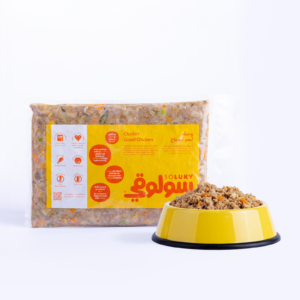
Cluckin’ Good Chicken Meal – 500gm

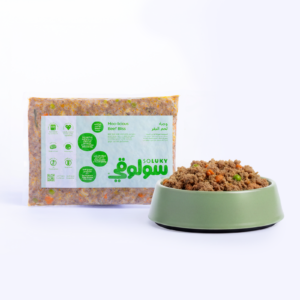
Moo-licious Beef Bliss Dog Meal – 500gm

Frequently Asked Questions

Start the change gradually over 7-14 days to avoid diarrhea or gas. Week 1: 25% fresh meals + 75% dry food. Week 2: 50% of each. Then increase to 75% fresh food, and finally 100% Soluky. Monitor your dog’s stool daily—if you notice diarrhea, take a step back and consult your vet.

Fresh blog food is biologically better because it preserves enzymes and vitamins, unlike dry food, which loses its nutrients during heat treatment. Studies have shown that dogs live 32 months longer on fresh food, have better coats and skin thanks to omega and healthy microbes, and have better digestion with firmer stools and less odor. In Saudi Arabia, Soluky is ideal because it is gently cooked and frozen to preserve quality.

The transition takes 7-14 days for most dogs, and up to 4 weeks for dogs with sensitive stomachs. Safe ratios:

Days 1-3: 75% dry + 25% fresh food

Days 4-7: 50% of each

Days 8-10: 25% dry + 75% fresh fresh food

After day 11: 100% fresh

Divide meals into 2-3 times a day and mix well to avoid rejection.
If your dog refuses, reheat the fresh food slightly to enhance the aroma.

  • The daily amount of  fresh food is calculated based on weight and activity: 2-3% of body weight per day (e.g., a 20 kg dog needs 400-600 grams). Adjust according to:

    Puppy/very active: 3-4% (highest energy)

    Calm adult: 2%

    Senior: 1.5-2%

    Use the Soluky Build My Box after entering your dog’s weight, age, and activity level—they will suggest the appropriate customized feeding amount with refrigerated delivery. Monitor weight weekly and adjust the amount to maintain fitness.

Let's discover more about your pet!

Answer these few questions and we'll tailor the ideal feeding plan for your pet!

kg